
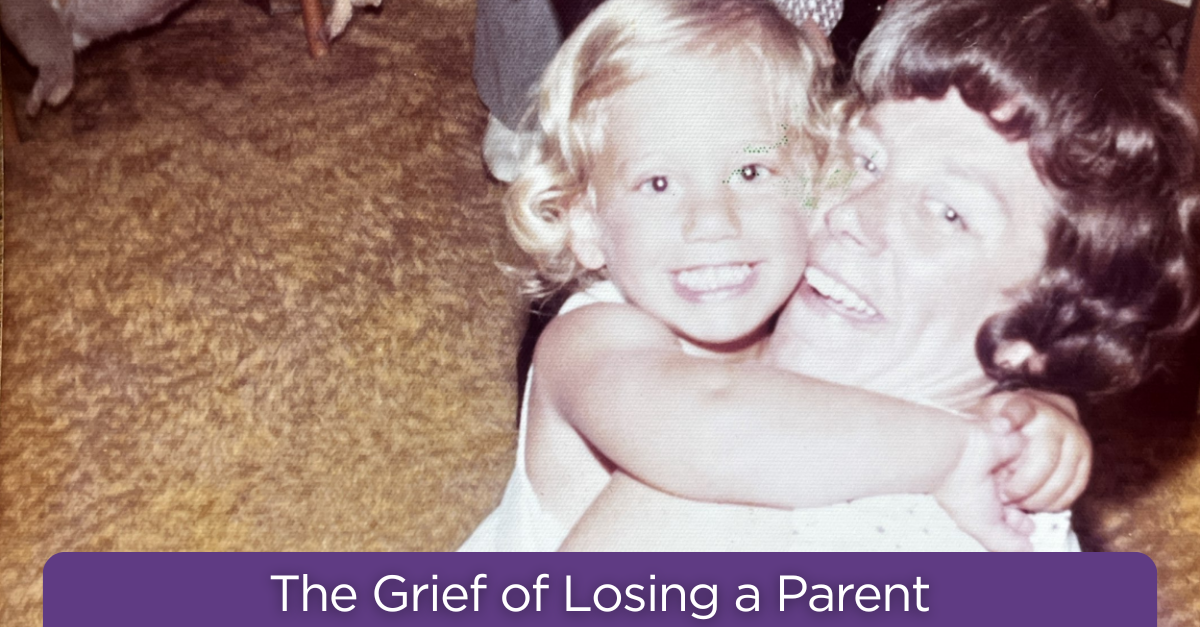
I have never been someone who cries easily. Even during difficult moments, I tend to stay composed. It is not that I do not feel things. I do. I just carry them quietly.
After my mom passed away, I kept going. I did what I needed to do, and I thought I was managing grief in my own way.
Then recently, in the middle of my weekly yoga class, it finally hit me. A deep longing came over me. I ached to hug my mom again, to hold her hand, and to feel the warmth and love that always radiated from her when I was near.
In that moment, I finally understood what people mean when they talk about the grief of losing a parent. That hollow space in your heart. That sense that something essential is missing. I believe that feeling will stay with me throughout my life. Not having my parents, my mom or my dad, feels like a piece of me is gone. My past has closed, and now my life is about looking ahead to my future and my children.
It is a strange and tender realization. I have learned that it is okay to feel it. It is okay to let the emotion come, to sit with it, and then to let it go. It is okay to keep loving those who are still here with me.
I decided to light a candle for my mom every day for the next year. It is a small ritual to remind me that even though she is no longer here physically, her presence, her warmth, and her love are still with me.

Understanding the Grief of Losing a Parent
The grief of losing a parent is one of the most profound and complex forms of grief we experience. No matter how old we are or how much time has passed, it can stir deep emotions. Sadness, guilt, longing, and even relief can exist together. Grief does not follow a straight line or a predictable timeline.
Many people find that the grief resurfaces in waves. Sometimes this happens years later, during quiet moments, significant milestones, or even in the middle of something ordinary, like a yoga class. These moments do not mean you are back at the beginning. They are reminders that love and loss live side by side.
When navigating the grief of losing a parent, it can help to:
- Acknowledge the loss. Allow yourself to feel without judgment. There is no right way to grieve.
- Create rituals of remembrance. Lighting a candle, visiting a meaningful place, or sharing stories can keep your loved one’s memory present in a healing way.
- Stay connected. Talking with family, friends, or a grief counselor can ease the isolation that often accompanies loss.
- Be patient with yourself. Healing does not mean forgetting. It means finding a way to live with love and memories in a new form.
Grieving the loss of a parent changes who we are. It is not something we move past. It is something we grow around.